- Multi Channel Order Management
- TikTok Shop
- Amazon
- Temu
- About 4Seller
- Shopify
- Multi Channel Inventory Management
- Amazon MCF&FBA
- Seller Tips
- Listing Management
- Marketplace News
- Amazon Shipping
- DHL Express
- UPS
- Amazon MCF
- FedEx
- eBay
- Shein
- Creator Bulk Invite
- Inventory Sync
- GLS
- Multi-channel Store
- Walmart WFS
- Walmart
- Royal Mail
- Shipping Integration
- Kaufland
- DHL Parcel
- Seller Story
- Beginner Tutorial
- 3PL
- Walmart MCS
- Shipping Label
- Deutsche Post
- WooCommerce
- OTTO
- Platform Integration
- PayPal Tracking Sync
- UniUni
- Yodel
- ShipHero
- SPU Catalog
- Stripe Tracking Sync
- USPS
- GOFO
- CIRRO
- Correos
- Correos Express
- DPD
- Etsy
- Evri
- FBM
- Request Review
- Logistics Rule
- CaiNiao
- BRT
- Chronopost
- Poste Italiane
- Cdiscount
- AliExpress
- OMS
- DHL
- ShipBob
- WFS
- Price Sync
Amazon Product Variation Review Sharing is Changing: Why and What Sellers Must Do?
 By Joline09 Jan,2026
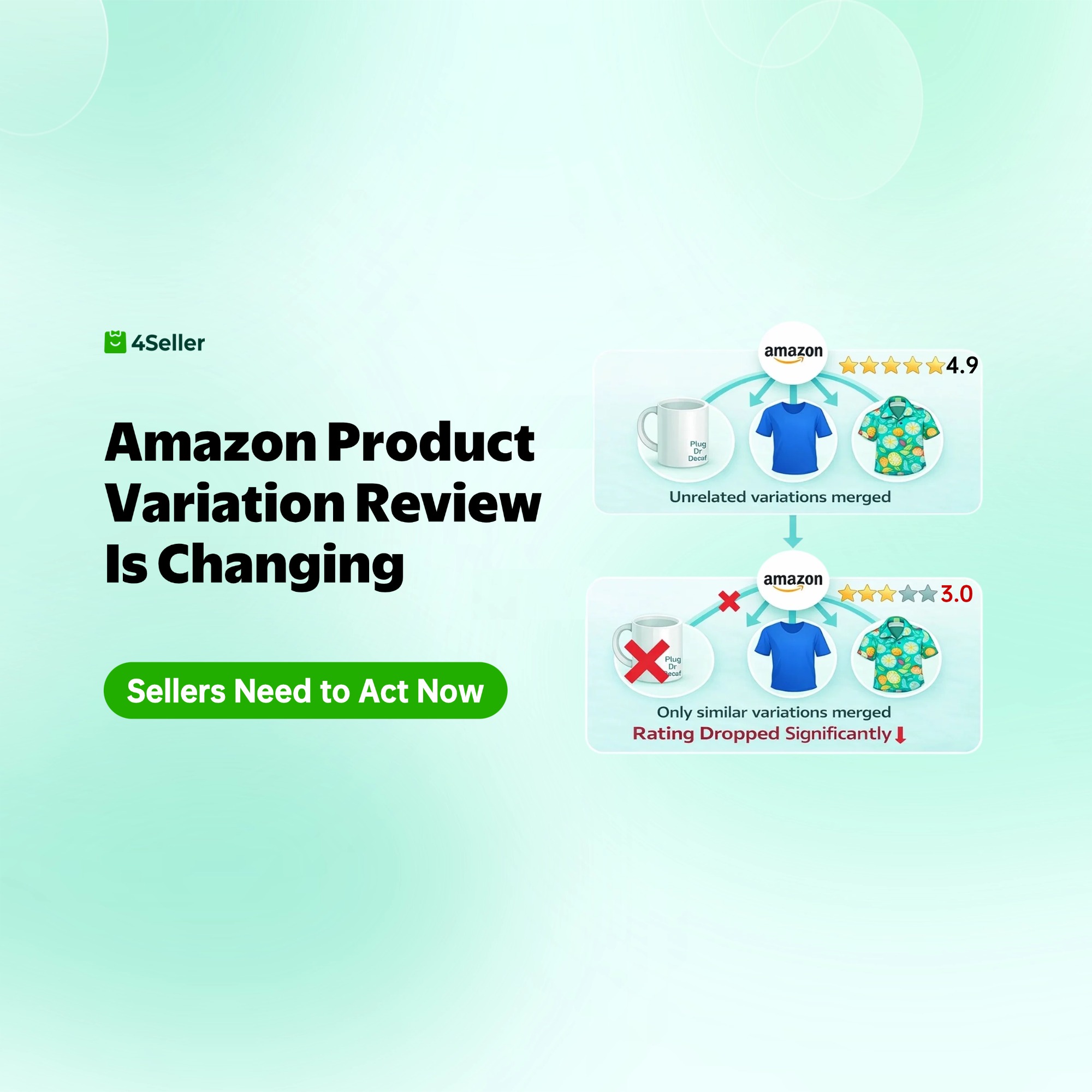
Amazon quietly updated its review sharing policy in early January, announcing that starting February 12, customer reviews will no longer be shared across certain product variations. While the update itself looks minor on the surface, the implications are anything but.
For years, variation-based growth has been a core strategy for scaling listings quickly by concentrating reviews under a single parent ASIN. That playbook is now being dismantled. Sellers who fail to adjust before the cutoff risk losing review equity, traffic momentum, and long-term ranking stability almost overnight. Many sellers reacted immediately with the same conclusion: the wild‑growth era of abusing variations is officially over. If you are still combining unrelated products under one parent ASIN to share star ratings, or routinely attaching new versions to old listings to inherit reviews and jump‑start conversions, your entire operating rhythm may be disrupted as early as next month.
This article cuts straight to the point. We will focus on three key questions: why Amazon introduced this policy, which listings will actually be affected, and what sellers should do during the final one‑month window to minimize damage.01 | What Exactly Is Amazon Changing?
At its core, Amazon believes the current variation‑based review sharing mechanism has become misleading for customers.
The essence of this policy is simple but far‑reaching: Amazon wants each child ASIN’s reviews to accurately represent that specific product.
Starting February 12, 2026, Amazon will significantly tighten the standards for review sharing. Reviews will only continue to be shared when variations differ only slightly, such as color, size, or packaging, while maintaining identical functionality and usage scenarios.
If Amazon’s system determines that child ASINs differ materially in function, material, structure, or use case, reviews will be forcibly separated and returned to their respective ASINs. As a result, buyers will no longer see an averaged star rating that blends feedback from different products, but instead the true performance of the exact variation they are viewing.
Key policy details:
-
Effective date: February 12, 2026
-
Transition period: through May 31, 2026, with category‑based phased rollout
-
Notification mechanism: if a listing experiences significant review or rating changes, Amazon will notify the registered email address within 30 days after the change
Important reminder: in many cases, reviews will drop first and the email will arrive later. Do not rely on notifications as your primary warning system.
02 | How Will This Impact Existing Listing Reviews?
Under the old rules, different versions of the same product could freely share reviews as long as they were grouped under one parent ASIN.
Under the new rules, reviews will only be shared among product variations that differ minimally in function.
Based on Amazon’s clarification, review sharing will generally still be allowed in the following cases:
-
Variations that differ only by color or pattern
-
Size variations with identical functionality, such as Queen vs King bedding
-
Packaging or quantity differences, such as single‑pack vs multi‑pack
-
Non‑scented products offering optional scent variants, such as lemon‑scented vs unscented cleaners
-
The same product adapted for different device models, such as phone cases for different phones
Any variation that introduces meaningful differences in function, material, or usage will no longer share reviews. Those reviews will be split and assigned back to individual ASINs.
03 | Which Listings Need Action Now? A Risk‑Tier Audit Framework
Sellers should immediately perform a structured risk audit of all existing parent ASINs.

Low Risk (Green Zone): Safe for continued sharing
These variations clearly meet Amazon’s definition and are expected to experience minimal conversion impact, typically within a 0–5% range. Examples include pure color or pattern differences, size or pack count changes with identical functionality, and minor cosmetic updates such as logo or tag changes without altering molds or core features.
Medium Risk (Orange Zone): Monitor closely
These variations may no longer enjoy full review pooling. Short‑term advertising conversion rates may decline by 5–15%. Common examples include material differences such as cotton vs polyester or glass vs ceramic, as well as light functional upgrades like adding a small accessory. In these cases, hundreds of shared reviews may be reduced to dozens.
High Risk (Red Zone): Very likely to be split
This is the hardest‑hit category. Listings here may experience sharp drops in conversion and advertising performance. Typical examples include combining wired and wireless electronics, mechanical vs membrane keyboards, heated vs non‑heated products, or binding heavily redesigned new models to old listings purely to inherit thousands of reviews. Bundling complementary products such as toothbrushes and toothpaste also falls into this category and should not be treated as variations.
04 | Seller‑Side Impact: Why This Is More Than a Review Problem
This change goes far beyond review counts. It will trigger a chain reaction that directly affects ROI, advertising efficiency, and BSR.
First, new product launches will become significantly harder. Previously, attaching a new product to an established listing allowed sellers to launch with hundreds of reviews and stable conversion rates. After the policy takes effect, functionally upgraded products may be forced into a true zero‑review launch, requiring higher ad spend and revised ACOS expectations.
Second, advertising data will become unstable. Many child ASIN campaigns were built on artificially inflated shared star ratings. Once reviews are split, historical performance benchmarks may no longer be reliable.
Third, Amazon’s own documentation suggests that high‑risk parent ASINs may experience noticeable volatility in conversion rate, ACOS, BSR, and organic ranking within two to four weeks after review separation.
Fourth, some child ASINs may effectively reset to zero. Variations that relied heavily on parent‑level review “blood transfusion” could see thousands of reviews collapse into single digits.
Finally, negative reviews will become more precise. Previously, strong legacy reviews could dilute flaws in newer versions. After separation, defects such as downgraded materials will be fully exposed without any buffer.
05 | One Month Left: What Sellers Should Do Right Now?
Waiting passively for Amazon’s system to make the first move is one of the most dangerous strategies. Proactive action is the only way to reduce losses.
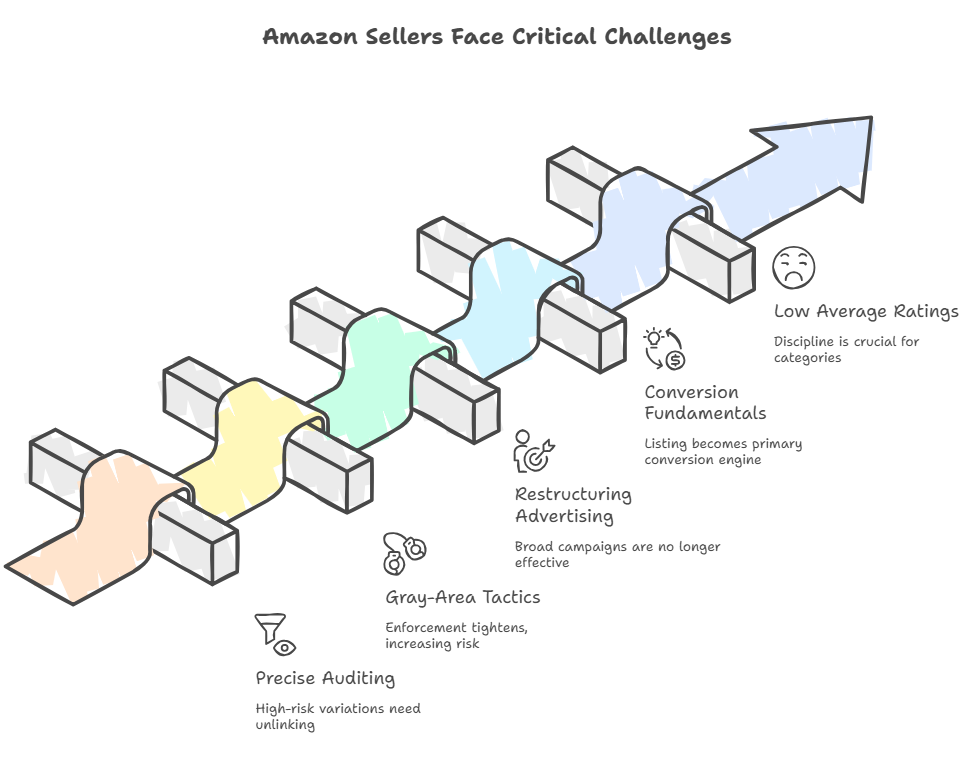
The first step is precise auditing and voluntary separation. Focus on your Hero ASINs and assess how dependent their conversion rate is on shared reviews. High‑risk variations should be proactively unlinked before February 12, giving you time to optimize titles, bullets, and content instead of reacting under pressure.
The second step is reducing reliance on gray‑area tactics. As enforcement tightens, forcibly merging functionally different products will carry increasing risk, including review removal, variation abuse flags, or even delisting. Long‑term competitiveness now depends on product selection, user experience, and content quality rather than structural tricks.
The third step is restructuring advertising. Stop running broad Auto campaigns across entire parent ASINs. High‑ and medium‑risk child ASINs should have independent ad groups or campaigns, with performance tracked at the true ASIN level. Budget buffers should be prepared to compensate for traffic loss once reviews decline.
The fourth step is returning to conversion fundamentals. When review sharing disappears, the listing itself becomes the primary conversion engine. Images, A+ content, and copy must clearly communicate each variation’s unique value. FAQ sections should proactively address functional differences to reduce misunderstandings and returns. Legitimate review accumulation through Vine and Request a Review must become systematic rather than optional.
For categories where average ratings are structurally low, sellers should be even more disciplined. Variation attributes should be clean and minimal, with child ASINs differing only where absolutely necessary. Images should visually reinforce legitimate differences, such as color‑adjusted components or low‑cost accessory variations, while remaining compliant. Once listings are created, attributes and core content should remain stable. Maintaining a structured ASIN tracking sheet can help prevent accidental merges caused by AI‑generated titles or attributes.
06 | How 4Seller Helps Sellers Navigate the Review Split Era?
- Multi‑Channel Fulfillment Automation
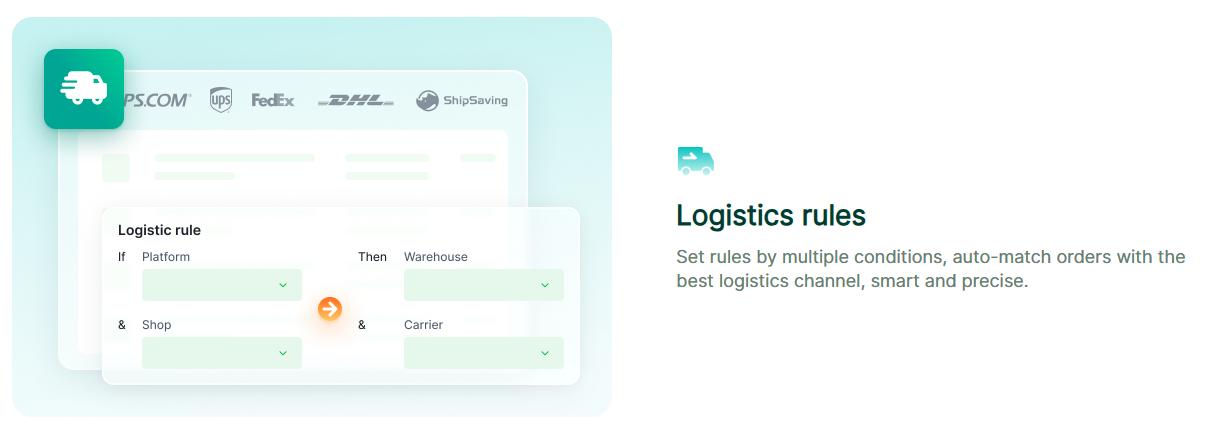
Helping article pls refer: How to Set the Logistics Rules?
- Inventory Linkage and Synchronization
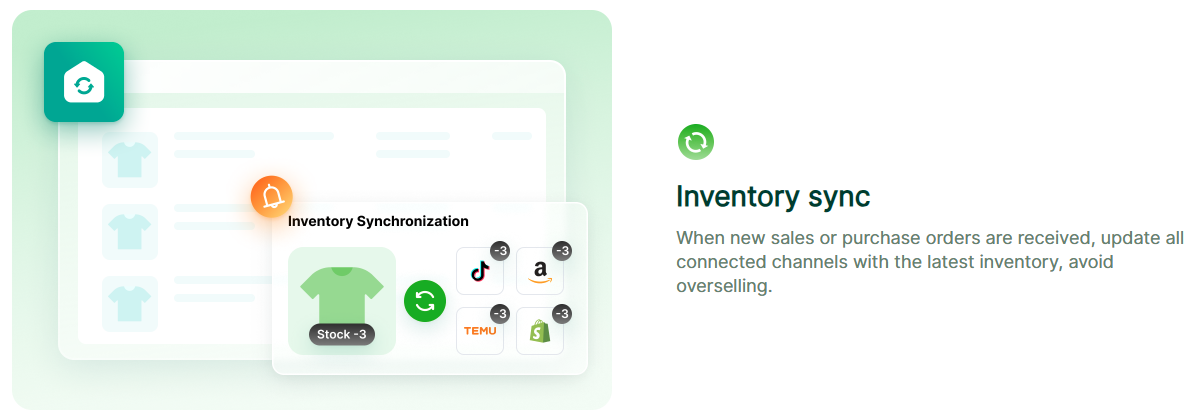
Helping article pls refer: How to Enable Inventory Sync (Inventory Linkage)?
- One‑Click Listing Migration
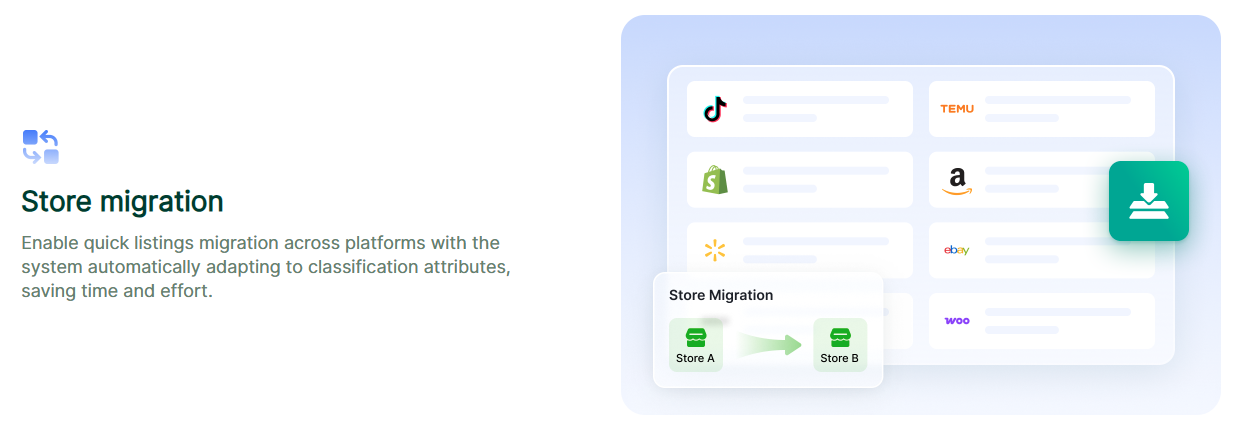
Helping article pls refer: How to Sync Listings from Shopify 、Amazon、TikTok、eBay、Etsy、WooCommerce、Shein store to Amazon Store?
07 | Final Thoughts: Tighter Rules, Fairer Competition
Every major Amazon policy tightening follows the same pattern: loopholes shrink, while the value of real products rises.
The path of “review inheritance” is undeniably narrowing, but for sellers who invest in product quality, listing optimization, and customer experience, this shift ultimately creates a more level playing field.
When the tide goes out, it becomes clear who was swimming naked.
With only one month left before enforcement begins, now is the time to audit your ASIN structures and act decisively.
Note: This analysis is based on Amazon’s policy update released on January 7, 2026. Final execution details remain subject to official platform notifications.
If you found this useful, feel free to share it with other sellers. Follow for more in‑depth Amazon operational insights.
- Multi Channel Order Management
- TikTok Shop
- Amazon
- Temu
- About 4Seller
- Shopify
- Multi Channel Inventory Management
- Amazon MCF&FBA
- Seller Tips
- Listing Management
- Marketplace News
- Amazon Shipping
- DHL Express
- UPS
- Amazon MCF
- FedEx
- eBay
- Shein
- Creator Bulk Invite
- Inventory Sync
- GLS
- Multi-channel Store
- Walmart WFS
- Walmart
- Royal Mail
- Shipping Integration
- Kaufland
- DHL Parcel
- Seller Story
- Beginner Tutorial
- 3PL
- Walmart MCS
- Shipping Label
- Deutsche Post
- WooCommerce
- OTTO
- Platform Integration
- PayPal Tracking Sync
- UniUni
- Yodel
- ShipHero
- SPU Catalog
- Stripe Tracking Sync
- USPS
- GOFO
- CIRRO
- Correos
- Correos Express
- DPD
- Etsy
- Evri
- FBM
- Request Review
- Logistics Rule
- CaiNiao
- BRT
- Chronopost
- Poste Italiane
- Cdiscount
- AliExpress
- OMS
- DHL
- ShipBob
- WFS
- Price Sync
 17 Dec,2024
- 17 Dec,2024