Popular Posts
- Multi Channel Order Management
- TikTok Shop
- Amazon
- Temu
- About 4Seller
- Shopify
- Multi Channel Inventory Management
- Amazon MCF&FBA
- Seller Tips
- Listing Management
- Marketplace News
- Amazon Shipping
- DHL Express
- Amazon MCF
- UPS
- FedEx
- eBay
- Shein
- Creator Bulk Invite
- Multi-channel Store
- Inventory Sync
- GLS
- Walmart WFS
- Walmart
- Seller Story
- Beginner Tutorial
- Royal Mail
- Kaufland
- Shipping Integration
- DHL Parcel
- 3PL
- WooCommerce
- Walmart MCS
- Deutsche Post
- Shipping Label
- OTTO
- Platform Integration
- PayPal Tracking Sync
- UniUni
- Yodel
- ShipHero
- SPU Catalog
- Stripe Tracking Sync
- USPS
- AliExpress
- GOFO
- CIRRO
- Correos
- Correos Express
- DPD
- Etsy
- Evri
- FBM
- Request Review
- Logistics Rule
- CaiNiao
- BRT
- Chronopost
- Poste Italiane
- Cdiscount
- OMS
- DHL
- WFS
- ShipBob
- Price Sync
Walmart’s Big Move: 10,000 Stores Are Now Warehouses. Are Sellers Ready?
 By Serena31 Aug,2026
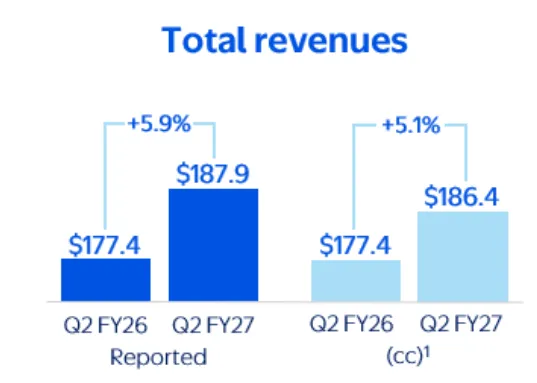
Walmart just released a strong financial report.
For the second quarter of FY2027 ending July 31, 2026, Walmart’s total revenue reached $187.937 billion. This marks a 5.9% year-over-year growth, equivalent to approximately 1.26 trillion RMB. Adjusted EPS was $0.81, while operating income grew by 28.8% year-over-year.
More importantly, Walmart’s growth no longer relies solely on in-store sales.
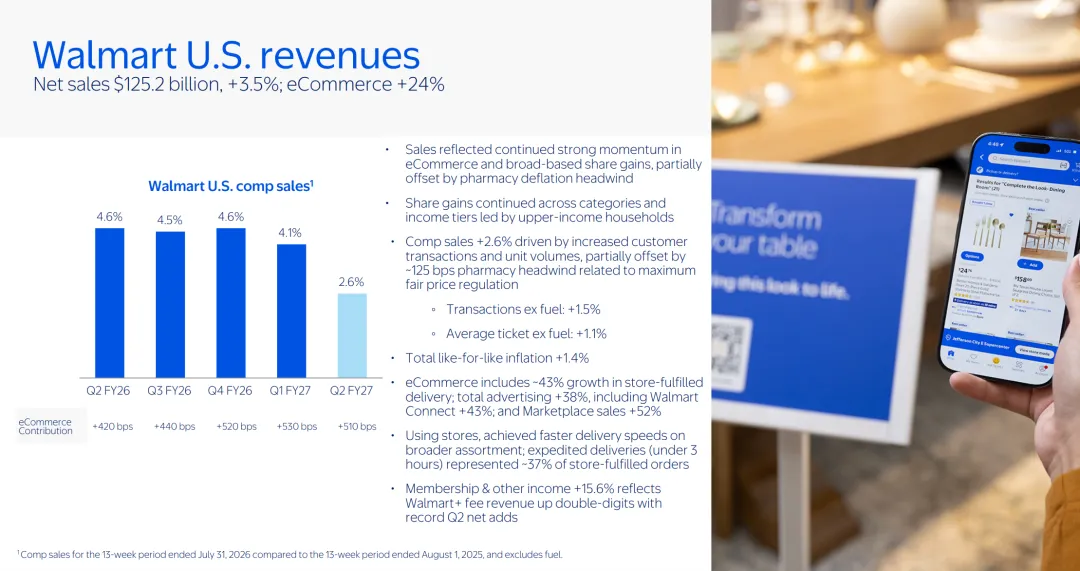
This quarter, Walmart’s global e-commerce sales grew by 23% year-over-year. Advertising revenue grew by 38%, and membership fee income rose by 17%. In the U.S., e-commerce sales grew by 24%, store-fulfilled delivery grew by about 40%, and 3P Marketplace sales grew over 50%.
China operations also saw rapid e-commerce growth. Walmart China’s Q2 net sales reached around $7 billion, up 20.7% year-over-year. E-commerce sales increased by 26%. Digital business accounted for 55% of total China sales, up 239 basis points from last year.
Looking at these figures together, Walmart is completing an identity transformation.
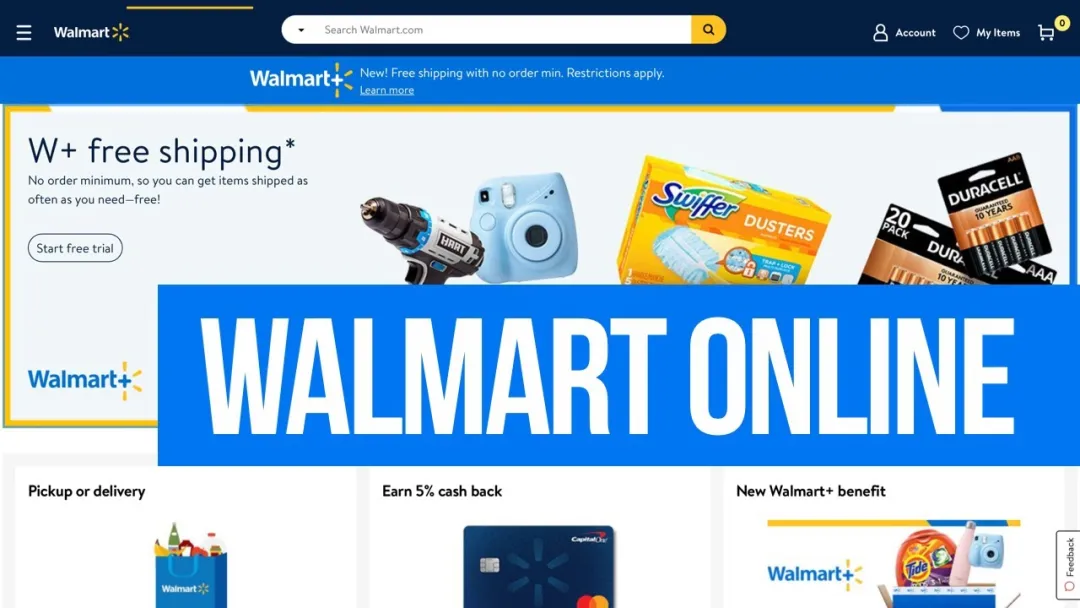
It remains a giant retailer with over ten thousand stores. However, its fastest-growing segments now stem from e-commerce, advertising, membership, and marketplace services.01) Walmart’s E-Commerce: Not Building from Scratch
Many people view e-commerce transformation as building a site, buying traffic, building warehouses, and doing fulfillment.
Amazon is the textbook example. It started with online shelves and built warehouses, logistics, memberships, and ad networks step by step.
Walmart took a different path.
It already owned dense physical stores, stable supply chains, and established local shopper bases. Once e-commerce launched, these stores were not left in offline legacy accounts. Instead, they were reconfigured into the online order fulfillment chain.
A customer places an order on the site. A nearby store picks and packs it, then handoff to delivery drivers. Consumers see an online order. Internally, Walmart leverages store inventory, store labor, and local delivery networks.
By Q2, Walmart U.S. store-fulfilled delivery grew about 40%. Roughly 37% of these store-fulfilled orders arrived within 3 hours.
The advantage of this model is straightforward. Amazon must build warehouses to move goods closer to buyers. Walmart’s stores were already located near consumers. Previously, products on shelves sat waiting for foot traffic. Now, they simultaneously serve as inventory for online orders.
This is why Walmart’s e-commerce is scaling up.
It did not duplicate Amazon’s warehouse network. Instead, it repurposed its existing retail network.2) Ten Years of E-Commerce Catch-Up: Finding Its Own Position
Walmart was not good at e-commerce initially.
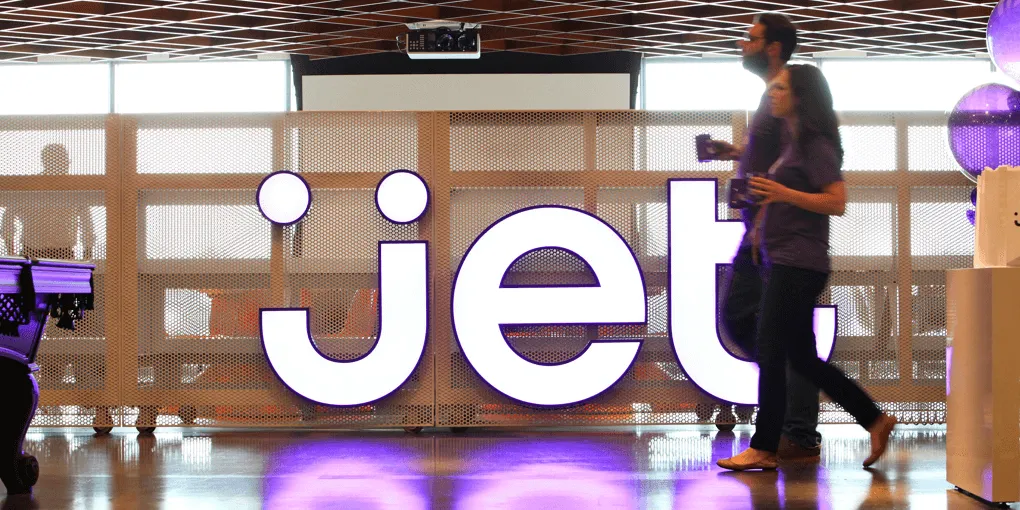
In 2016, Walmart acquired Jet.com for about $3 billion in cash and $300 million in stock. It aimed to catch up to Amazon using Jet's technology and team.
This deal was seen as Walmart’s key digital pivot. Jet.com founder Marc Lore took over Walmart U.S. e-commerce. Walmart also acquired online brands like Bonobos and ModCloth.
Yet, these acquisitions did not turn Walmart into Amazon overnight.
In 2020, Walmart phased out Jet.com and consolidated resources into Walmart.com. It took years to realize its core advantage was not just owning an online website.
Walmart’s true edge comes from store density, inventory positioning, supply chain, and local fulfillment.
Traditional retailers often overlook this point during digital shifts. Seeing online growth, many treat offline stores as liabilities and build e-commerce teams, warehouses, and traffic hubs from zero.
Walmart’s proven path blends stores, websites, memberships, delivery, and ads into a single operating model.
Its strategy in India was similar.
In 2018, Walmart acquired roughly 77% of Indian e-commerce platform Flipkart for about $16 billion. This gave Walmart immediate access to local users, sellers, and logistics networks.
In the U.S., Walmart transformed e-commerce using stores. In India, it entered the market by investing in a local platform.
The tactics differ, but the logic remains identical: locate existing retail infrastructure first, then integrate it into its growth engine.
3) Rising Online Orders Do Not Mean Empty Stores
Numerator's tracking of Walmart shoppers shows that online and offline channels do not simply replace each other.
In the year ending June 2026, Walmart’s foot traffic dropped by ~118 million visits, but Walmart.com visits rose by nearly 250 million. Online shoppers averaged $65 per transaction, higher than the $40 average in stores.
However, in annual spend, Walmart.com buyers averaged ~$1,600 per household, while store buyers still reached ~$1,900.
These numbers show consumers simply route different shopping needs to different channels.
Quick restocks, fresh groceries, and daily essentials still draw buyers to physical stores. Furniture, appliances, home goods, and planned purchases shift online more easily.
Consumers do not care whether an order counts as e-commerce or store sales. They care about stock availability, delivery speed, and easy returns.
Walmart’s goal is to retain consumers within its ecosystem even as their shopping habits evolve.
This sets it apart from traditional supermarkets. While some treat online channels as separate units, Walmart gets every store to drive e-commerce growth.
Another key trend: Ads and 3P Marketplaces are shifting Walmart’s business structure.
Selling 1P merchandise yields retail margins.
Opening the marketplace to 3P sellers broadens revenue streams. Walmart collects income from transactions, warehousing/fulfillment, advertising, and subscriptions simultaneously.
In Q2, Walmart’s global ad revenue grew 38%, and U.S. Walmart Connect ad revenue grew 43%. 3P Marketplace sales surged over 50%. Nearly half of marketplace transactions now use Walmart Fulfillment Services (WFS).
For sellers, Walmart.com is transforming from a digital shelf into a complete platform ecosystem.
Merchandise brings in traffic, while the platform monetization handles traffic allocation, ads, and fulfillment. The platform captures value at entry points, product impressions, and final checkouts.
This framework moves closer to Amazon, yet Walmart retains distinct advantages.
Walmart's physical stores support local pickup, same-day delivery, and store returns. For bulky items, fresh goods, and daily essentials unsuitable for long-distance shipping, store networks lower fulfillment friction.
Its online business does not merely expand SKU count; it widens the use cases where consumers rely on Walmart.
4) For Sellers: Walmart Opportunities Are Evolving
Previously, sellers joined Walmart mainly to ask if items could sell. Now, sellers must run broader financial calculations:Walmart’s edge relies on local inventory and fast fulfillment. Where inventory sits, stock replenishment speeds, and meeting delivery promises directly impact seller conversion rates.
- Inventory Positioning
Walmart shoppers want more than just low prices. Categories like home essentials, home decor, tools, outdoor, consumer electronics, and groceries favor solution-oriented bundles.
- Product Catalog Fit
For instance, buyers might look for complete garage organization sets rather than a single storage bin, or patio lighting setups over individual outdoor lights.
Platform traffic will increasingly favor products solving specific needs over simple low-cost duplicates.
A 38% growth in ad revenue shows Walmart is converting more transaction traffic into ad sales. Listing products is just the start. Sellers must compete in search, recommendations, onsite ads, and campaign placements.
- Advertising Spend
Low gross margins combined with ad costs, fulfillment fees, and return costs will thin profit margins as order volumes grow.With stores acting as online fulfillment hubs, consumers expect higher standards for delivery and customer care. Sellers focusing only on front-end sales without local return, exchange, and support capabilities will face operational bottlenecks.
- Post-Purchase Operations
Walmart’s next step goes beyond selling more goods.
A subtle detail in the Q2 report: Global e-commerce grew 23%, ads grew 38%, and membership fee revenue grew 17%—all outpacing total revenue growth.
This indicates Walmart is actively reducing its reliance on pure retail margins.
It aims to retain consumers on-platform, encourage sellers to run ads, fulfill orders through its logistics network, and monetize convenience via memberships. Product transactions serve as the entry point, while platform services unlock growth potential.
Walmart is translating traditional retail supply chains, stores, and shopper relationships into digital-era competitiveness.
It spent nearly a decade catching up on e-commerce, incurring significant costs along the way.
Now, Walmart has built a distinct path instead of becoming a second Amazon.
It uses stores for fulfillment, platforms to scale product and ad revenues, memberships to boost frequency, and online channels to retain users within its ecosystem.
For sellers, Walmart’s evolution provides insights beyond just adding another sales channel.
As the platform integrates offline stores, online traffic, ads, and fulfillment, price competition alone is no longer enough. Sellers providing stable inventory, managing local delivery, and positioning products within specific consumer use cases are far more likely to thrive in this new retail network.
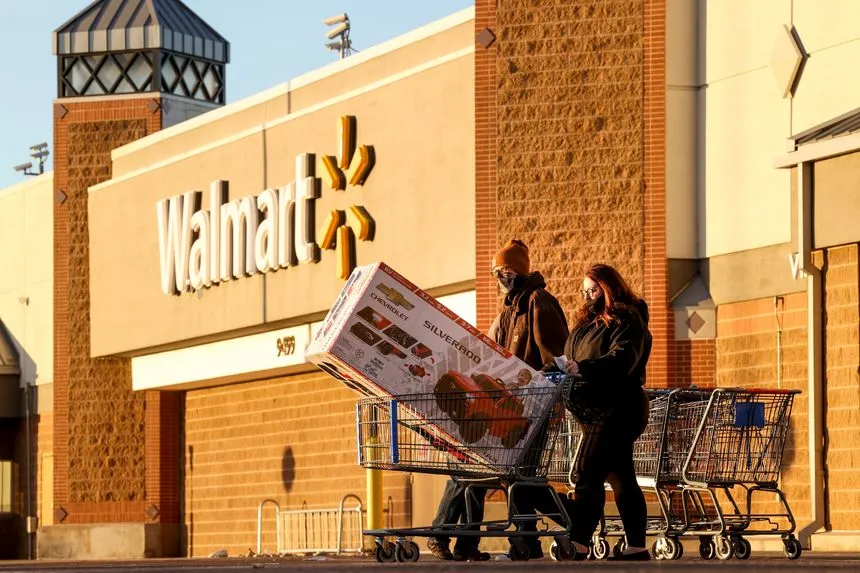
Walmart did not abandon big-box stores. It transformed over ten thousand physical stores into e-commerce fulfillment centers, delivery nodes, and customer service hubs.
This may be the most valuable blueprint for traditional retailers entering the late stage of e-commerce transformation.Q&A: How Can Sellers Master Walmart’s E-Commerce Transformation?
Q: With Walmart’s strict requirements for local fulfillment speeds, how can multi-channel sellers manage inventory without risking overselling or stockouts?
A: As Walmart evolves into a unified platform driven by fast fulfillment, seamless backend operations become critical. This is where 4Seller empowers marketplace sellers to scale efficiently:
- Real-Time Multi-Warehouse Inventory Sync: 4Seller integrates directly with Walmart and WFS. It can manage the inventory across own warehouses, Walmart Fulfillment Services (WFS), and other 3PLs. This prevents overselling and keeps inventory accurate across all sales channels in real time.
- Flexible Multi-Channel Solutions (MCS) via WFS: Beyond fulfilling Walmart Marketplace orders, 4Seller enables sellers to leverage WFS inventory to fulfill orders from other sales platforms (such as Amazon, eBay, Shopify, and TikTok Shop). This increases inventory flexibility while lowering safety stock requirements and management costs.
- Automated Order Processing: Manage all your order fulfillment directly inside 4Seller. With automated logistics and fulfillment rules, 4Seller streamlines order routing, label purchasing, and tracking updates. It helps sellers effortlessly meet Walmart's strict delivery SLAs and protect key metrics like Order Defect Rate (ODR).
All Topics
- Multi Channel Order Management
- TikTok Shop
- Amazon
- Temu
- About 4Seller
- Shopify
- Multi Channel Inventory Management
- Amazon MCF&FBA
- Seller Tips
- Listing Management
- Marketplace News
- Amazon Shipping
- DHL Express
- Amazon MCF
- UPS
- FedEx
- eBay
- Shein
- Creator Bulk Invite
- Multi-channel Store
- Inventory Sync
- GLS
- Walmart WFS
- Walmart
- Seller Story
- Beginner Tutorial
- Royal Mail
- Kaufland
- Shipping Integration
- DHL Parcel
- 3PL
- WooCommerce
- Walmart MCS
- Deutsche Post
- Shipping Label
- OTTO
- Platform Integration
- PayPal Tracking Sync
- UniUni
- Yodel
- ShipHero
- SPU Catalog
- Stripe Tracking Sync
- USPS
- AliExpress
- GOFO
- CIRRO
- Correos
- Correos Express
- DPD
- Etsy
- Evri
- FBM
- Request Review
- Logistics Rule
- CaiNiao
- BRT
- Chronopost
- Poste Italiane
- Cdiscount
- OMS
- DHL
- WFS
- ShipBob
- Price Sync
Popular Posts

 17 Dec,2024
Table of Content
Popular Posts
- 17 Dec,2024

Back to top